
Human body system:
Introduction:
Our bodies are made up of 11 basic organ systems that manage all the essential body functions. These systems, while interdependent, can become out of tune. When one is not functioning properly, the others will attempt to correct the problem. All the systems will work together to try to create what is known as homeostasis or a state of balance within the body.
The 11 organ systems include the integumentary system, skeletal system, muscular system, lymphatic system, respiratory system, digestive system, nervous system, endocrine system, cardiovascular system, urinary system, and reproductive systems.
Important organ system:
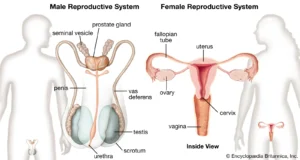
REPRODECTIVE SYSTEM:
MALE (prostate gland, penis, testis, scrotum, ductus deferens)
FEMALE (Mammary glands, ovary, uterus, vagina, fallopian tube)
VA Equivalent for rating – Female Reproductive System
(Male reproductive system is under Genitourinary system)
The reproductive system mainly functions to create human life. Ovaries produce female sex hormones and eggs. Eggs are fertilized in the fallopian tube by sperm then travel to the uterus, which provides the site for growth. The mammary glands produce milk for the newborn. Diseases and disorders associated with the female reproductive systems include breast cancer, removal of breast or lumpectomy; hysterectomy; pregnancy complications; endometriosis; ovarian or cervical cancers; and diseases or injuries of the vulva, vagina, cervix, uterus, fallopian tubes, or ovaries.
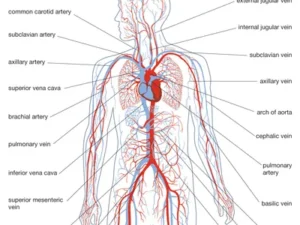
(CIRCULATORY) SYSTEM– (Heart, Blood Vessels)
The heart, made of cardiac muscle, pumps blood and blood vessels such as arteries and veins, transport the blood to every part of our body providing organs and muscles with nourishment. The blood carries oxygen, carbon dioxide, nutrients, waste and more throughout the body. Diseases and disorders associated with the cardiovascular system include myocardial infarction; coronary bypass surgery; arrhythmias; valve replacements; pacemakers; transplants; heart diseases (ischemic; hypertensive; arteriosclerotic); hypertension; aneurysms; fistulas; arteriosclerosis; anaphylaxis shock; varicose veins; cold weather injuries; and sarcomas of the blood vessels.
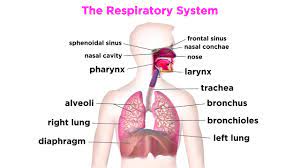
RESPIRATORY SYSTEM:
Respiratory SystemThe respiratory system is comprised of the lungs and the airways. It works together with the cardiovascular system to provide oxygen to the body and to remove carbon dioxide from the blood. External respiration, or breathing, is the movement of air into and out of the lungs through the airways. Inspiration (breathing in) pulls air into the lungs and allows the oxygen in the air to move into the tiny blood vessels (capillaries) found in the lungs. At the same time, carbon dioxide moves out of the blood vessels in the lung and into the air in the lungs. Expiration (exhalation) moves this carbon dioxide-rich air out of the lungs.Internal respiration is the exchange of oxygen and carbon dioxide that takes place between the blood and metabolizing cells throughout the body.Primary function: Absorbs oxygen from the air and removes carbon dioxide from the body.Key organs: Mouth, nose, nostrils, sinuses, pharynx, cilia, trachea, larynx, diaphragm, lungs, bronchi, alveoli.
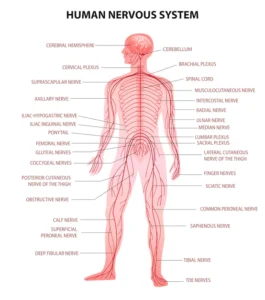
NERVOUS SYSTEM:
Nervous SystemThe nervous system serves as the body’s main messaging center. It controls the body’s interaction with its environment by allowing thought, memory, and motion. It also enables the functioning of the senses such as taste, touch, sight, hearing, and smell. These processes occur through messages sent along specialized nerve cells called neurons.The central nervous system consists of the brain and spinal cord. The peripheral nervous system consists of nerves that lie outside the central nervous system. It sends information to and from the central nervous system. The peripheral nervous system has two parts. The autonomic nervous system controls the involuntary functions of the heart, smooth muscle and many of the glands in the body. The somatic nervous system sends signals from the central nervous system to the skeletal muscles to mediate voluntary movement. Ganglia are nerve clusters that function to relay nerve impulses by connecting the central and peripheral nervous systems.