
Human body:
Introduction:
The human body is made up of all the living and nonliving components that create the entire structure of the human organism, including every living cell, tissue and organ.
On the outside human anatomy consists of the five basic parts, the head, neck, torso, arms and legs. However, beneath the skin there are countless biological and chemical interactions that keep the human body machine ticking over.
Chemical composition of human body:
Chemically, the human body consists mainly of water and of organic compounds—i.e., lipids, proteins, carbohydrates, and nucleic acids. Water is found in the extracellular fluids of the body (the blood plasma, the lymph, and the interstitial fluid) and within the cells themselves. It serves as a solvent without which the chemistry of life could not take place. The human body is about 60 percent water by weight.
Vital organs:
The vital organs are those that a person needs to survive. A problem with any of these organs can quickly become life threatening.
It is not possible to live without these organs. That said, in the case of the paired kidneys and lungs, a person can live without one of the pair.
The sections below will look at the five vital organs in more detail.
BRAIN:
The brain is the body’s control center. It forms the core of the central nervous system by creating, sending, and processing nerve impulses, thoughts, emotions, physical sensations, and more.
The skull encloses the brain, protecting it from injury.
Neurologists are doctors who study the nervous system. Over time, they have identified numerous parts of the brain, including systems within the brain that function similarly to independent organs.
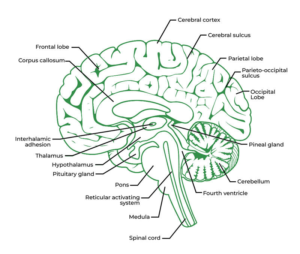
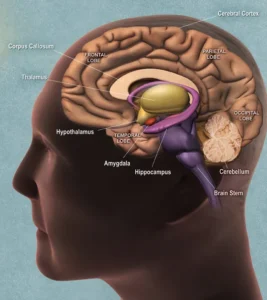
The brain is made up of three main subparts: the cerebrum, the cerebellum, and the brainstem. Within these areas, there are several key components of the brain that, together with the spinal cord, comprise the central nervous system.The major areas of the central nervous system include:The medulla: This is the lowest part of the brainstem. It helps control heart and lung function.
The pons: Located above the medulla in the brainstem, this area helps control eye and facial movement.
The spinal cord: Extended from the base of the brain and down the center of the back, the spinal cord helps with many automatic functions, such as reflexes. It also sends messages to and from the brain.
The parietal lobe: Situated in the middle of the brain, the parietal lobe supports the identification of objects and spatial reasoning. It also plays a role in interpreting pain and touch signals.
The frontal lobe: The frontal lobe, which is located in the front of the head, is the largest section of the brain. It plays a role in many conscious functions, including personality and movement. It also helps the brain interpret smells.
The occipital lobes: Positioned near the back of the brain, the occipital lobe primarily interprets vision signals.
The temporal lobes: Located on either side of the brain, the temporal lobes play a role in numerous functions, including speech, scent recognition, and short-term memory.
The brain’s two halves are called the right and left hemispheres. The corpus callosum connects these two hemispheres.
HEART:
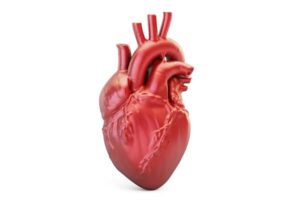
The heartTrusted Source is the most important organ of the circulatory system, which helps deliver blood to the body. It works with the lungs to add oxygen to blood and pump this freshly oxygenated blood through the blood vessels and around the body.
The heart also has an electrical system within. Electrical impulses within the heart help ensure that it beats with a consistent rhythm and proper rate.
The heart rate increases when the body needs more blood, such as during intense exercise. It decreases during times of rest.
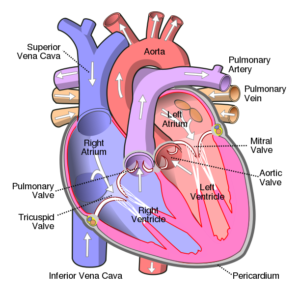
The heart has four chambers. The two upper chambers are called atria, and the two lower chambers are called ventricles.
Blood flows into the right atrium from the veins of the heart and body (except the lungs), then it flows into the right ventricle. From there, it flows into the pulmonary artery, which has branches that reach the lungs. The lungs then oxygenate the blood.
This oxygenated blood travels from the lungs, through pulmonary veins that lead back and join together, to the left atrium, and then through the left ventricle. From there, the heart pumps the blood through an artery that branches to distribute blood to itself and other body parts (except the lungs).
The heart has four valves that ensure that blood flows in the right direction. The heart valves are:the tricuspid valve
the pulmonary valve
the mitral valvethe aortic valve
LUNGS:
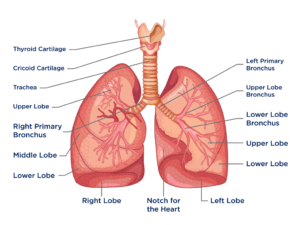
The lungs work with the heart to oxygenate blood. They do this by filtering the air a person breathes, then removing excess carbon dioxide in exchange for oxygen.
Several parts of the lungs help the body take in air, filter it, and then oxygenate the blood. These are:
The left and right bronchi: The trachea splits into these tubes, which extend into the lungs and have branches. These smaller bronchi split into even smaller tubes called bronchioles.
The alveoli: The alveoli are tiny air sacs at the end of the bronchioles. They work like balloons, expanding when a person inhales and contracting when they exhale.
The blood vessels: There are numerous blood vessels in the lungs for carrying blood to and from the heart.
With extensive medical care, a person can live without one lung, but they cannot survive with no lungs.
The diaphragm, which is a thick band of muscle directly under the lungs, helps the lungs expand and contract when a person breathes.
LIVER:
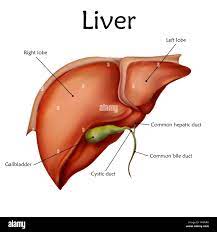
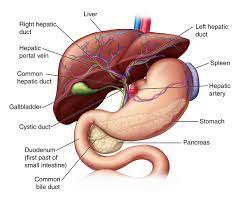
The liver is the most important organ of the metabolic system. It helps convert nutrients into usable substances, detoxifies certain substances, and filters blood coming from the digestive tract through a vein before it joins venous blood flow from other parts of the body. Oxygenated blood reaches the liver via an artery.
The majority of liver mass is in the upper right side of the abdomen, just under the rib cage.
The liver plays many roles in digestion and filtering the blood, including:
producing bile
helping the body filter out toxic substances, including alcohol, drugs, and harmful metabolites
regulating blood levels of various important chemicals, including amino acids
making cholesterol
removing some bacteria from the blood
making some immune factors
clearing bilirubin from the blood
regulating the process of blood clotting, so that a person does not bleed too much and does not develop dangerous blood clotsThe liver partners with the gallbladder to deliver bile to the small intestine. The liver pours bile into the gallbladder, which then stores and later releases the bile when the body needs it to help with digestion.